
Skip to content
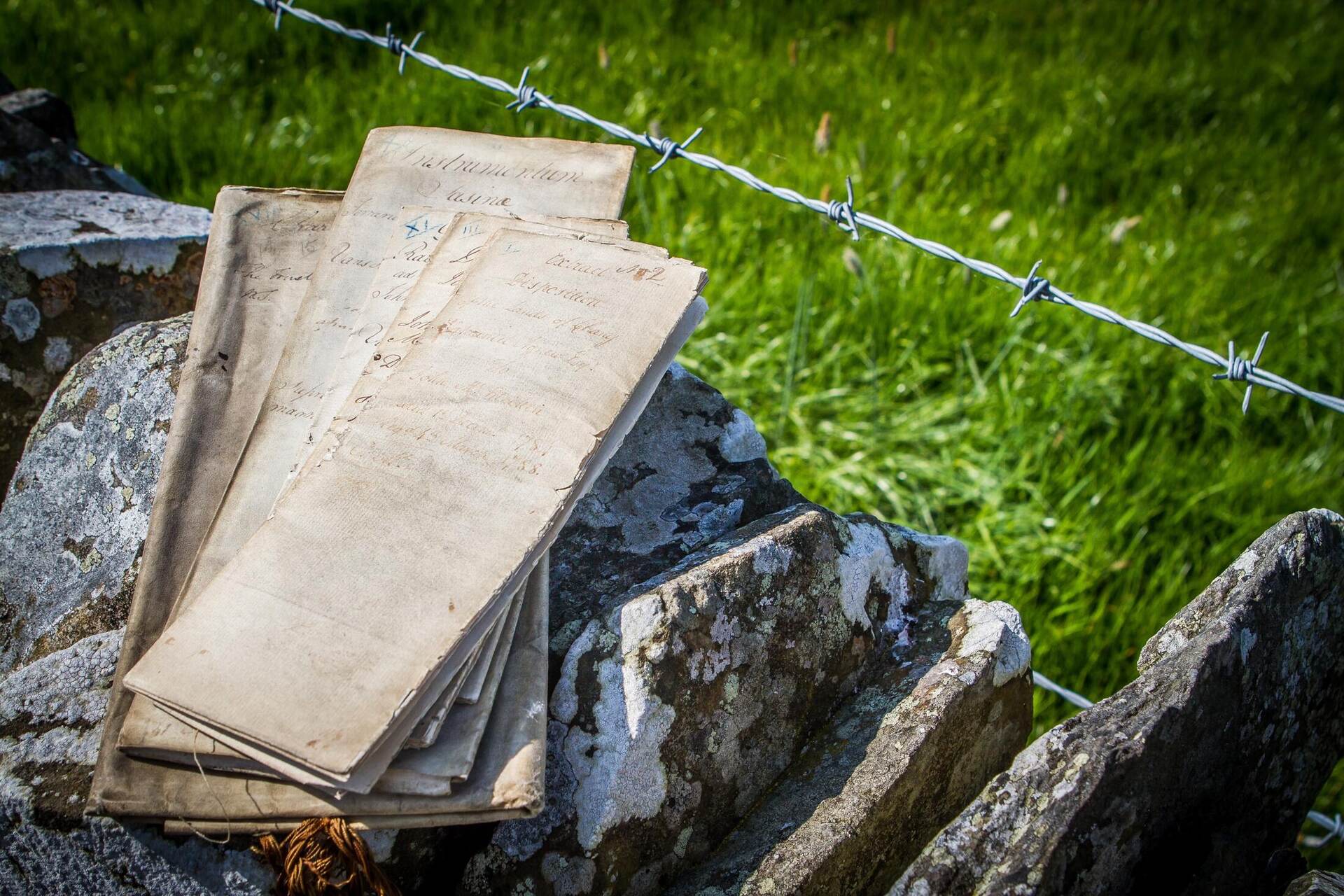
Old title deeds on a Galloway stone dyke

News & guides

Guides and news from Hall Baird.

Plain-English guides on land, Wills and Powers of Attorney, plus news from The Old Exchange. Each article shows the date it was first published; the law may have changed since, so please speak to us about your own situation.

Guides, newest first

Questions our clients ask.

Registers of Scotland notice about the RCI register

The new RCI rules: what do they mean for you?

Read the full article

The new Register of Persons Holding a Controlled Interest in Land (RCI) came into effect in 2022, and the regulations are enforced from 1 April 2024. If you haven't done anything, the time to act is now.

Does it affect you?

The main aim of the RCI is to increase public transparency about individuals who have control over decision-making about land but who do not appear on the Land Register or Sasine Register. The RCI is held and maintained by the Keeper of the Registers of Scotland, and is designed to make it easier for individuals and communities to identify, and engage with, those ultimately responsible for land.

Generally, if title to your property is in the name of a partnership, trust, corporate or community body, it is likely that you need to register in the RCI.

The owner of the land or registered tenant is known as the "Recorded Person", and it is their name that appears on the registered title. The person with significant influence or control is known as the "Associate": for example, a partner in a farming business who is not named on the title deeds.

Are there any exemptions?

Where a Recorded Person is already required to register under other "transparency regimes", there is no requirement to register in the RCI. For example, UK registered companies, Scottish Charitable Incorporated Organisations and Limited Liability Partnerships do not need to register.

How do you register?

The Recorded Person is responsible for registration. They must provide information about the Associate on or before 1 April 2024, or within 60 days of them becoming an Associate, whichever is earlier.

Registration is online, directly with the Registers of Scotland. A submission does not have to be made by a solicitor, and the Registers of Scotland charge no registration fee. The Recorded Person must keep the RCI up to date if control changes.

Why should I register?

Failure to register can result in a criminal penalty: a fine of up to £5,000. We urge anyone who thinks they may be affected to confirm whether or not they need to register. If you need help or guidance with RCI registration, get in touch for details of our fees for the level of assistance you need.
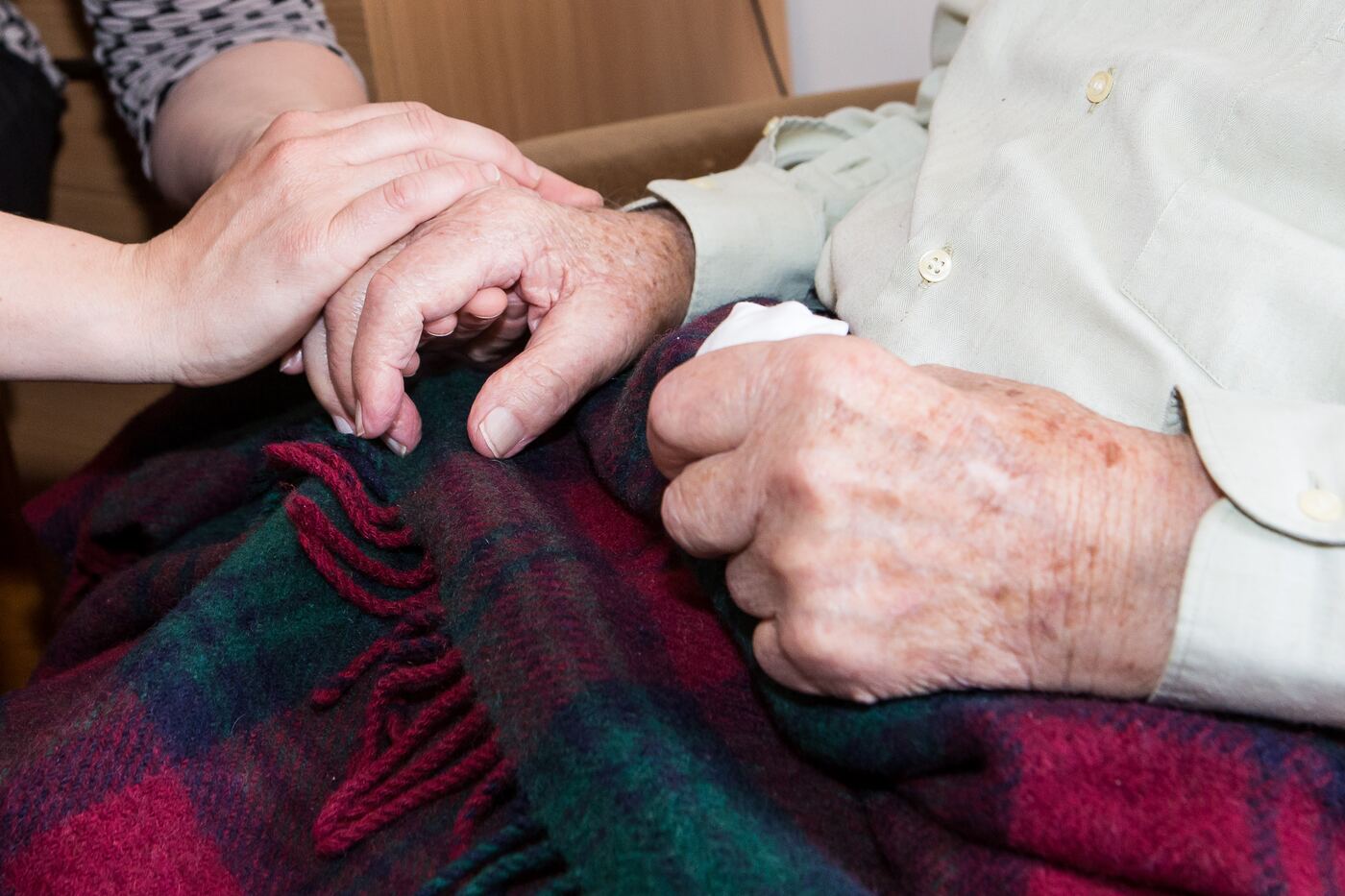
An older person's hands resting on a tartan blanket

Power of Attorney: do you need one? We can tell you more.

Read the full article

Who has the power? You do, and no one else, unless you have a Power of Attorney in place. But what if you lose that power? Accidents or illness can strike anyone at any age: young, healthy or married. As any Boy Scout or Girl Guide knows, be prepared.

What is a Power of Attorney?

A Power of Attorney (PoA) is a document in writing, signed by you, giving someone authority to make decisions, take action and sign things on your behalf. You choose the person or people you want to act for you, and the control you want them to have.

Can't my family or business partner just make decisions for me?

No. No one has an automatic right to make decisions for you. There must be a written legal link between you and your chosen Attorney. No legal link means no legal powers.

Who should I choose?

You decide: a family member, friend or solicitor. There are two types of PoA, financial and welfare, and you can choose different people for different powers.

What happens once it is signed?

We recommend it is registered with the Office of the Public Guardian. Once registered, it remains valid even if the law changes in the future.

Please contact us for a full breakdown of costs, as these vary with your personal circumstances. All quotes are free and there is no obligation to proceed. You can also pick up a leaflet at the office or download it here.

Old title deeds on a stone dyke

Voluntary land registration: to register or not?

Read the full article

Could you ride your own marches? Have you ever walked the entire boundary of your land? Are you sure your legal title matches the actual rise and fall of your land? It matters. If you are on the Land Register first and a neighbour later disputes a boundary, it is for them to prove the Register is wrong, not for you to disprove it.

In 2014 only 26% of Scotland's land mass was registered in the Land Register of Scotland, and the Scottish Government asked the Registers of Scotland to get all of Scotland's land registered within 10 years. At the time of writing, registering was not compulsory and there was 25% off the Land Register fee.

Views differ in the legal profession on voluntary registration. We believe it is better that you control the process, rather than risk a neighbour registering part of your ground as theirs, which could mean expensive litigation to prove their title wrong.

You know the boundaries and history of your land. Would others know them as intimately if you were no longer there? Registration also makes any future sale more straightforward, streamlined and therefore cheaper, and the legal costs of reviewing titles and preparing plans are inevitable whether you register voluntarily now or when it becomes compulsory. It is better to be ahead of the game.

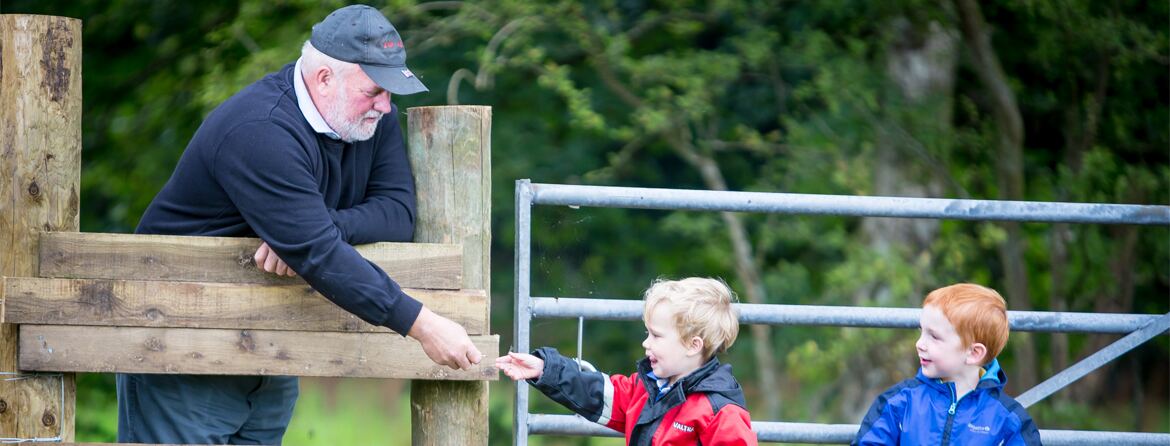
A grandfather at a field gate with two young boys

'W' for Will: will you make one?

Read the full article

It is estimated that 70% of people in Scotland die without leaving a Will. Here are the five important W's.

Who should make a Will?

Everyone. If you have a bank account, a house or belongings of sentimental or financial value, and people or a charity you want to inherit them, you should have one.

Why make a Will?

Without one, the law dictates what happens, not you and not your loved ones. A Will makes your wishes clear at a highly emotional time, and is much faster and cheaper than the process of intestacy.

What should be in it?

Whatever you want. First, choose your Executor: the person or people you trust to carry out your instructions. You can leave specific legacies, go into detail about anything you own, and decide who receives the residue of your estate.

When should I make one?

Now. You are never too young.

Where should I make one?

To make sure what you want to happen does happen, we recommend a solicitor. We can talk you through the hard questions that often put people off, and aim to make the process easy and comfortable. Contact us.

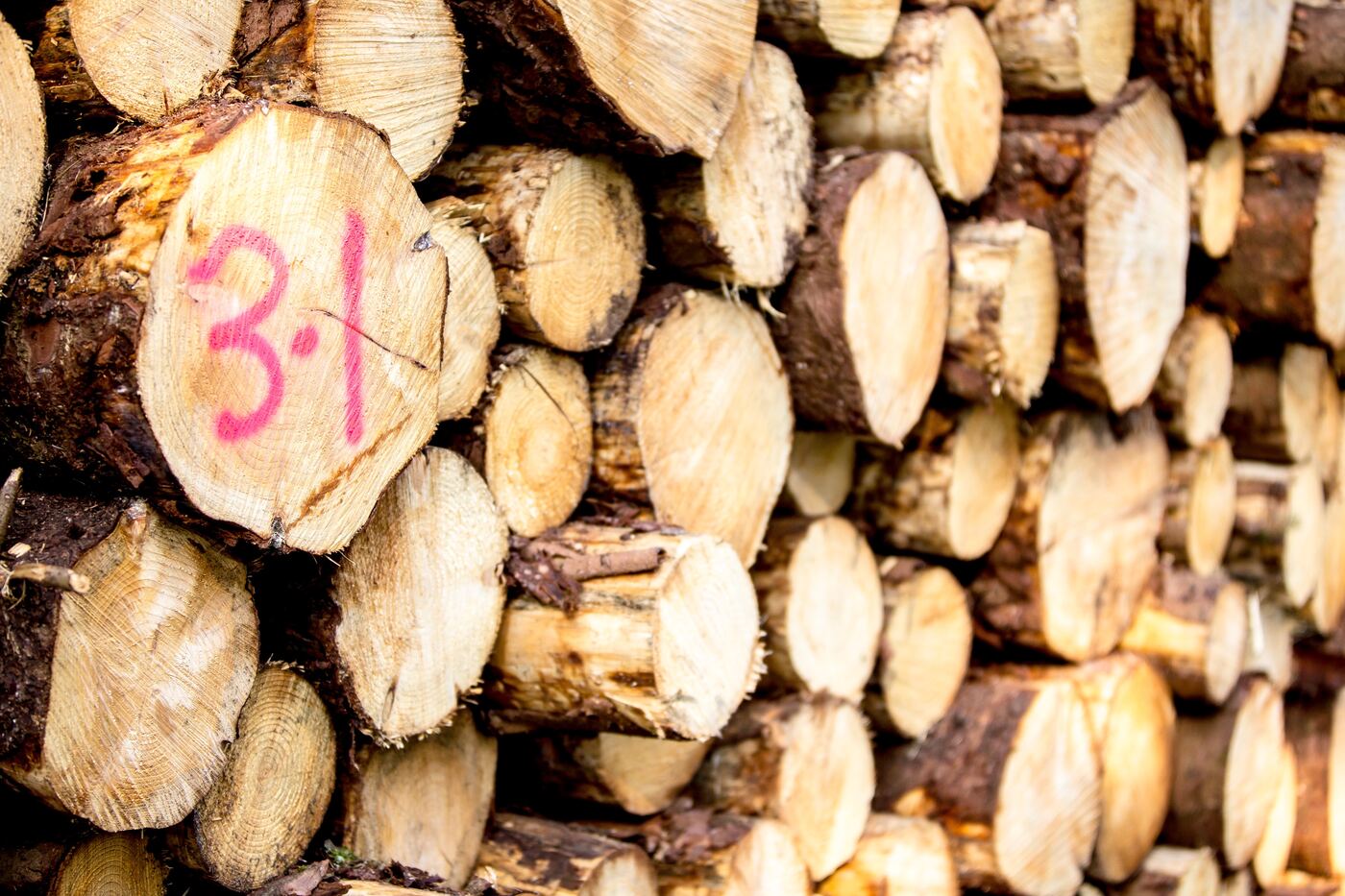
Cut logs marked for extraction

Forestry and land reform: don't panic

Read the full article

Land reform has been a hot topic in Scotland for some time. David looked at what the Land Reform Act may actually mean for forestry ownership.

The Act is split into twelve parts covering topics as diverse as small landholdings, deer management, Common Good land and additions to agricultural holdings legislation. The parts likely to interest forest owners most deal with community engagement and the Right to Buy for sustainable development.

Communities need to be engaged in decisions about land that may affect them, whether that is timber extraction traffic or wider questions of land use. Standards of practice will be set, and much of this probably already happens in another guise with the Forestry Commission and other bodies.

The community Right to Buy where land ownership is hindering sustainable development carries specific definitions, compensation provisions and an appeals procedure at virtually every step, and is closer to compulsory purchase than to anyone cherry picking the best of an estate. In David's experience the vast majority of landowners are open to development opportunities.

All in all, the spectre of land reform should not be taken as a discouragement to forestry investment in Scotland.

Published in 2016, issue 75, Confor Forestry & Timber News.

From the archive

News and events, 2015 to 2016.

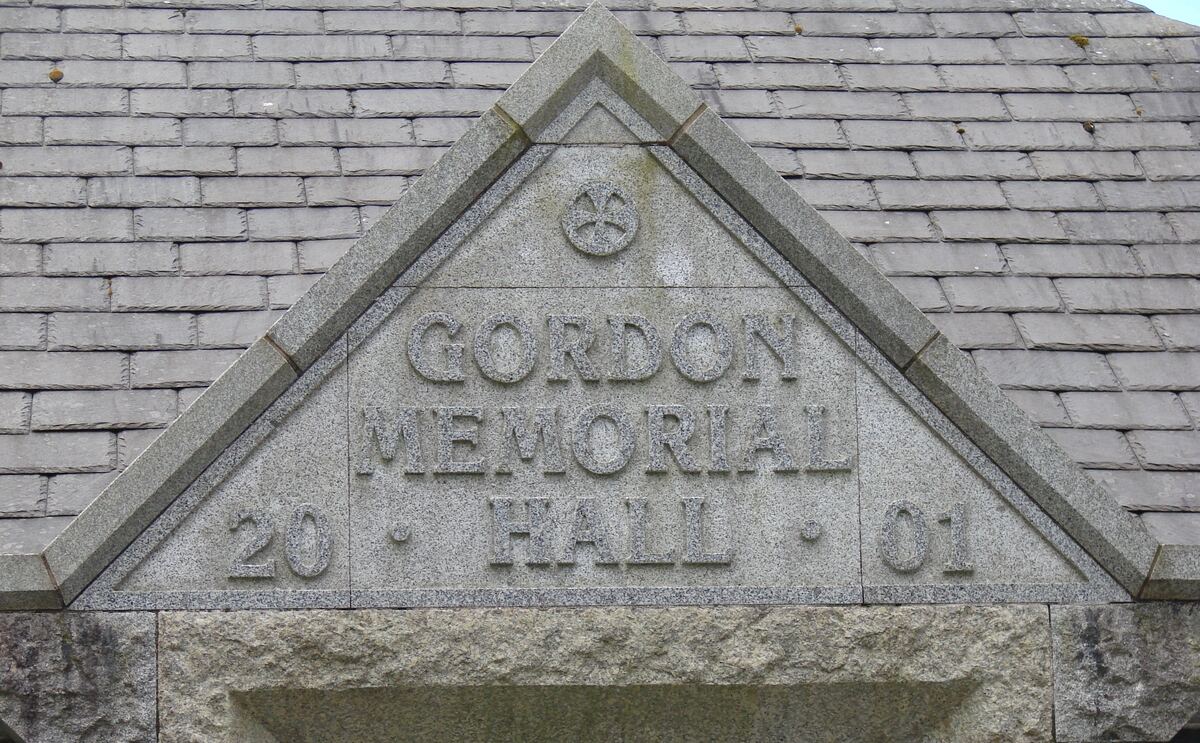
Gordon Memorial Hall, Castle Douglas

Dying Matters: Power of Attorney and Wills

Dying Matters Awareness Week 2016 (9 to 15 May) aimed to break the taboo of talking about dying, death and bereavement. Our joint event with Age Scotland and Stewartry CVS at the Gordon Memorial Hall, Castle Douglas tied in with the week, and those who attended described it as informative and fun. We also attended a "Death Café" in Castle Douglas held by Age Scotland and the End of Life Study Group, Glasgow University.

We see too often the emotional effect on families when a loved one becomes incapacitated or dies without a Power of Attorney and Will in place. If you have not made yours yet, do it while there is time. Call to make an appointment.

Gordon Memorial Hall, Castle Douglas

Plan for your future: Power of Attorney, Wills, tax and care costs

We teamed up with Age Scotland, Stewartry CVS and guest speakers from St James's Place and Ian Bendall Funeral Directors for a free information event on 26 April 2016 at the Gordon Memorial Hall, Castle Douglas. David Hall and Karen Baird spoke on Power of Attorney, Wills, Advance Directives and care costs under the title "Don't Duck the Talk".

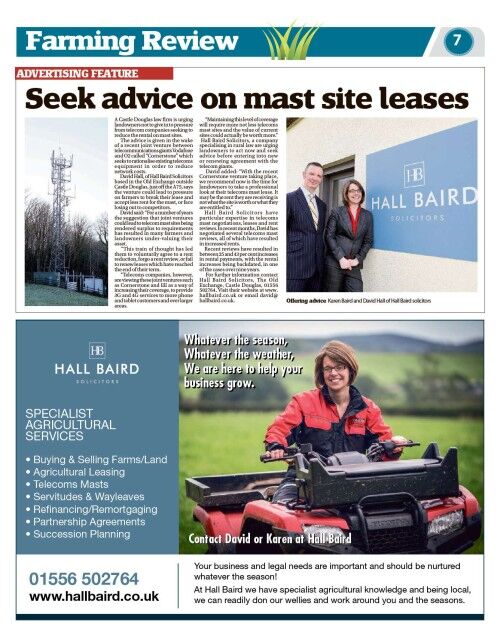
Farming Review Galloway feature on mast site leases

Expert telecoms mast advice for farmers and landowners

We urged landowners across Dumfries & Galloway and Scotland not to give in to pressure from telecoms companies seeking to reduce mast site rents, following the Vodafone and O2 "Cornerstone" joint venture. Pressure of this kind had led many farmers and landowners to break leases, under-value their asset, agree to rent reductions, forgo rent reviews or fail to renew leases.

Maintaining wider 3G and 4G coverage needs more mast sites, not fewer, so current sites could be worth more. Our recommendation: have a firm that specialises in rural law look at your mast lease before entering into or renewing an agreement.

At the time, the telecoms mast reviews David had recently negotiated had all resulted in increased rents, of between 25 and 43 per cent, with the increases backdated, in one case over nine years. Featured in Farming Review Galloway.

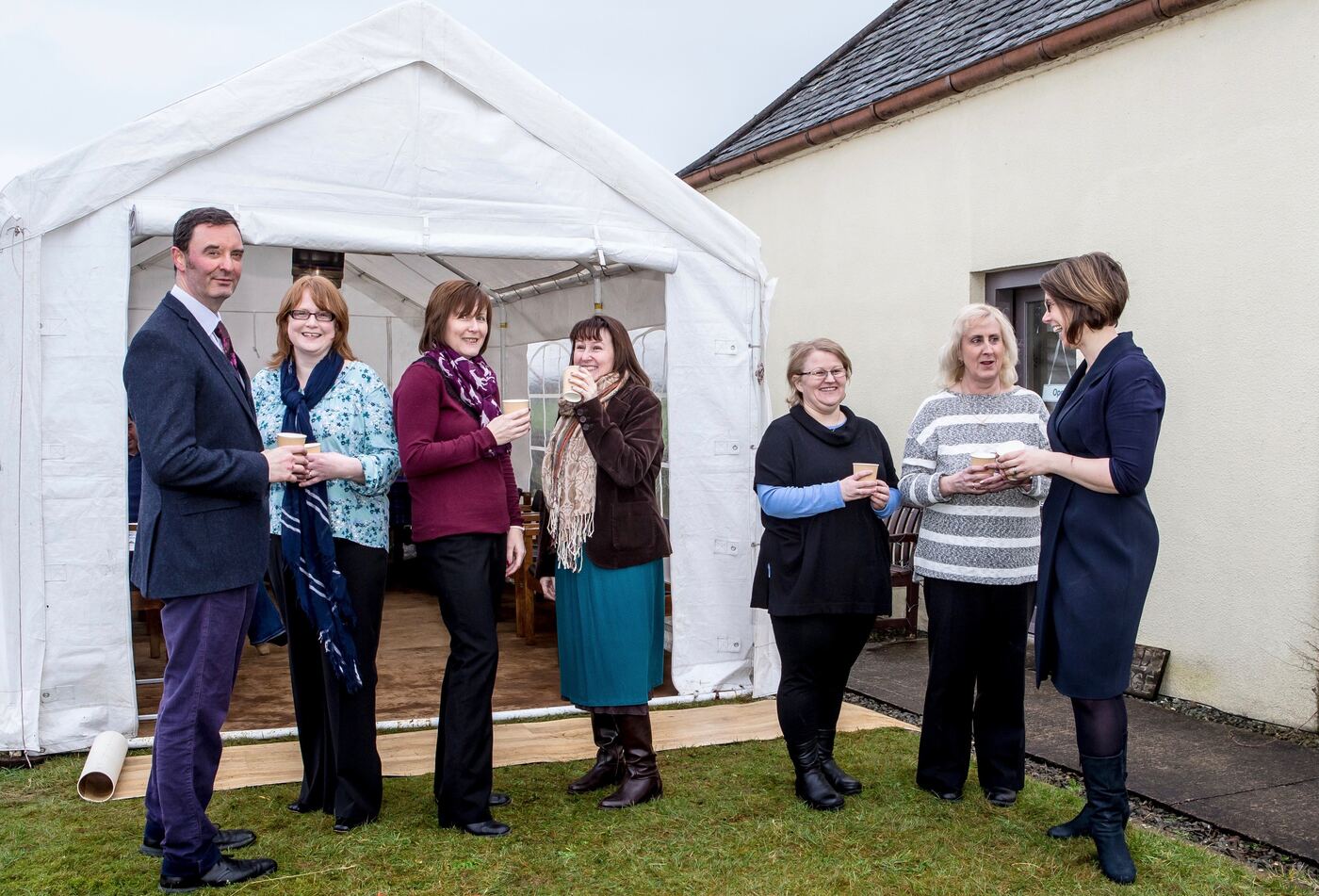
Guests at the Hall Baird open day marquee

First Footing with Hall Baird

A new year in a new business. On 4 January 2016 we invited the public to First Foot with us at The Old Exchange. A marquee went up (even with Storm Frank just past), with guided tours, displays of The Old Exchange past, present and future, quizzes, a treasure hunt, colouring in for the children, home baking and hot drinks. Thank you to everyone who came, and anyone who missed it is welcome to pop in and see us.

The Old Exchange, Castle Douglas

Exchanging the old for the new

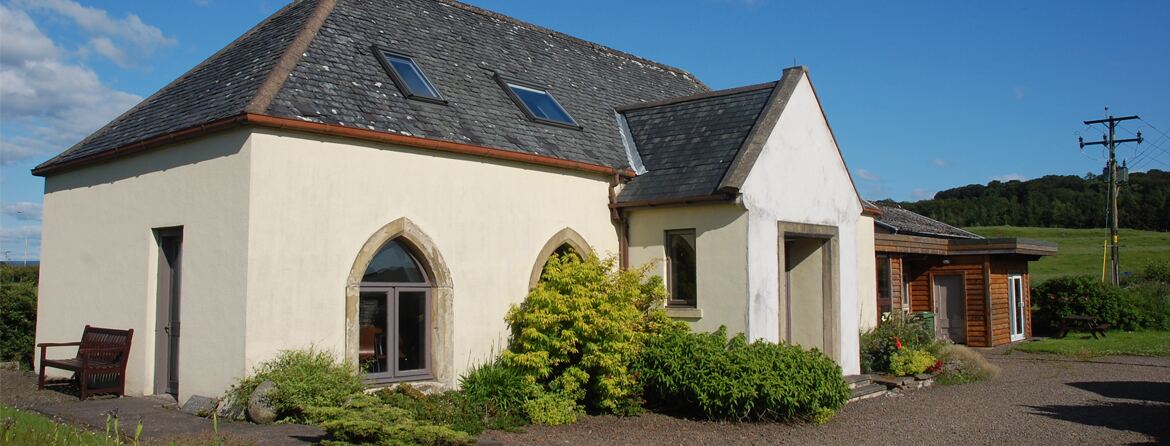
The Old Exchange in Castle Douglas opened its doors to our business, and the phones are ringing once again. Built in the 1930s as a telephone repeater station, it reportedly routed many calls between the Stewartry and London, and during the Second World War carried calls between London and Belfast. It is no stranger to opening effective lines of communication.

Galloway farmland

Scotland's Land Reform Bill

The Land Reform Bill, then before the Scottish Parliament, was set to have huge implications for landowners and agricultural businesses, alongside changes to agricultural holdings law, the creation of a Tenant Farming Commissioner and the question of a right to buy for tenant farmers. David's appointment to the Law Society of Scotland's Rural Affairs Committee involves giving specialist legal input to the Scottish Government on proposed legislation affecting rural affairs; at the time he was the committee's only member from the South West of Scotland.

Get in touch

Talk it through with us

For an informal discussion about your requirements, call the office or send us a message. We can meet at The Old Exchange, or visit you at your home or place of work.

Call us Arrange a meeting